The Complete Vacuum Lifter Buying Checklist: 50+ Questions Answered
Choosing the right vacuum lifter isn’t just about lifting—it’s about protecting your workforce, max productivity, and ensuring a quick return on investment. With so many models, configurations, and applications, the purchasing process can feel overwhelming. A single oversight can lead to damaged products, workplace injuries, or downtime that costs thousands.
That’s why we’ve created this definitive, 50+ question checklist. From load characteristics and safety standards to energy efficiency and maintenance, every question is designed to help you make an informed decision. Whether you’re moving glass panels, sheet metal, cardboard boxes, or delicate electronics, you’ll walk away knowing exactly what to ask suppliers—and what answers you need before signing any purchase order.
Bookmark this page. Share it with your team. And use it as your go-to evaluation framework. By the time you reach the end, you’ll have a complete buyer’s brief ready to hand to any manufacturer.
What Is a Vacuum Lifter?
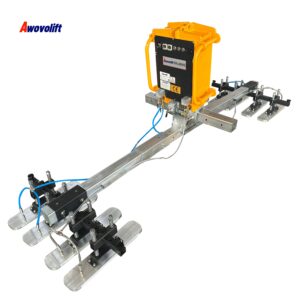
A vacuum lifter, also called a vacuum lifting device or suction lifter, uses vacuum pressure to securely grip, lift, and maneuver loads without the need for slings, chains, or mechanical clamps. Vacuum lifters are widely used in manufacturing, warehousing, construction, and logistics for moving porous and non-porous materials like glass, metal sheets, plastic, wood, boxes, and bags.
The basic components include a vacuum generator (pump or blower), a suction pad or multiple pads, a frame or tube, and controls that allow the operator to attach, lift, release, and often rotate the load. Modern vacuum lifters are engineered with multiple safety features, making them one of the safest material handling solutions available when selected and used correctly.
Types of Vacuum Lifters
Before diving into the checklist, it’s essential to understand the primary types of vacuum lifters, as many checklist questions will depend on which category fits your operation.
Vacuum Tube Lifters
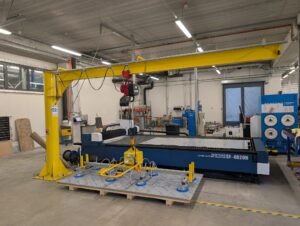
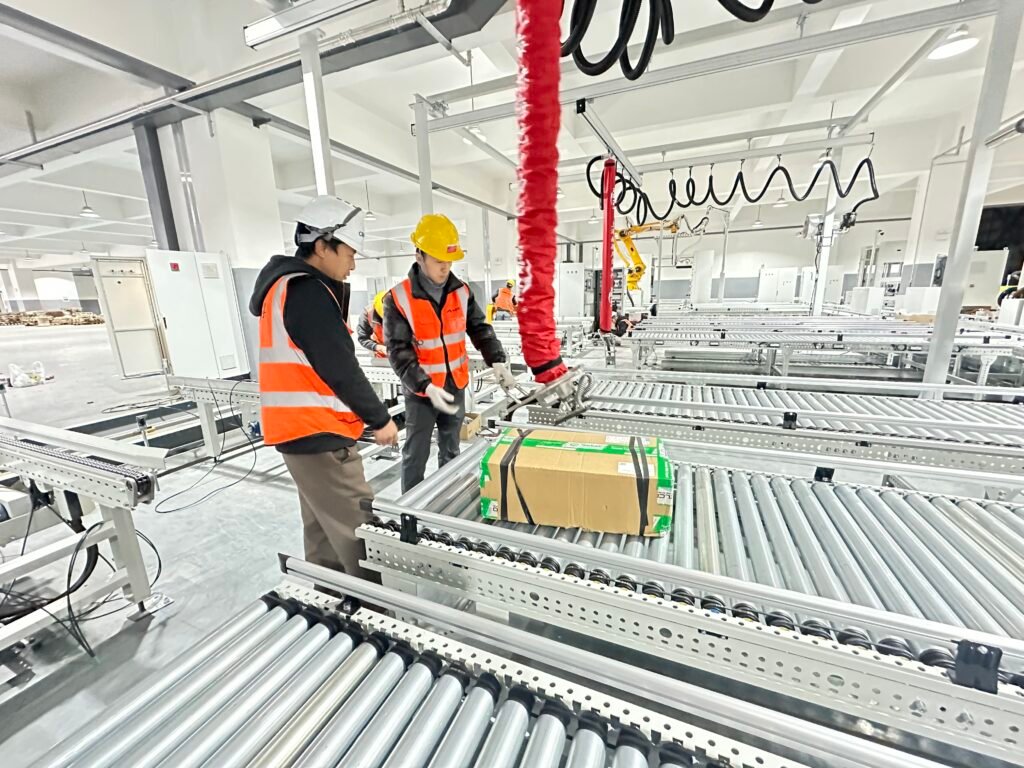
Also known as manipulators, these devices use a flexible tube that houses a vacuum column and a suction pad. The operator guides the load manually, and the lifter senses the operator’s intention to lift or lower. Tube lifters excel in high-frequency lifting of boxes, sacks, and small parts, often in assembly lines or order picking.
Below-the-Hook Vacuum Lifters
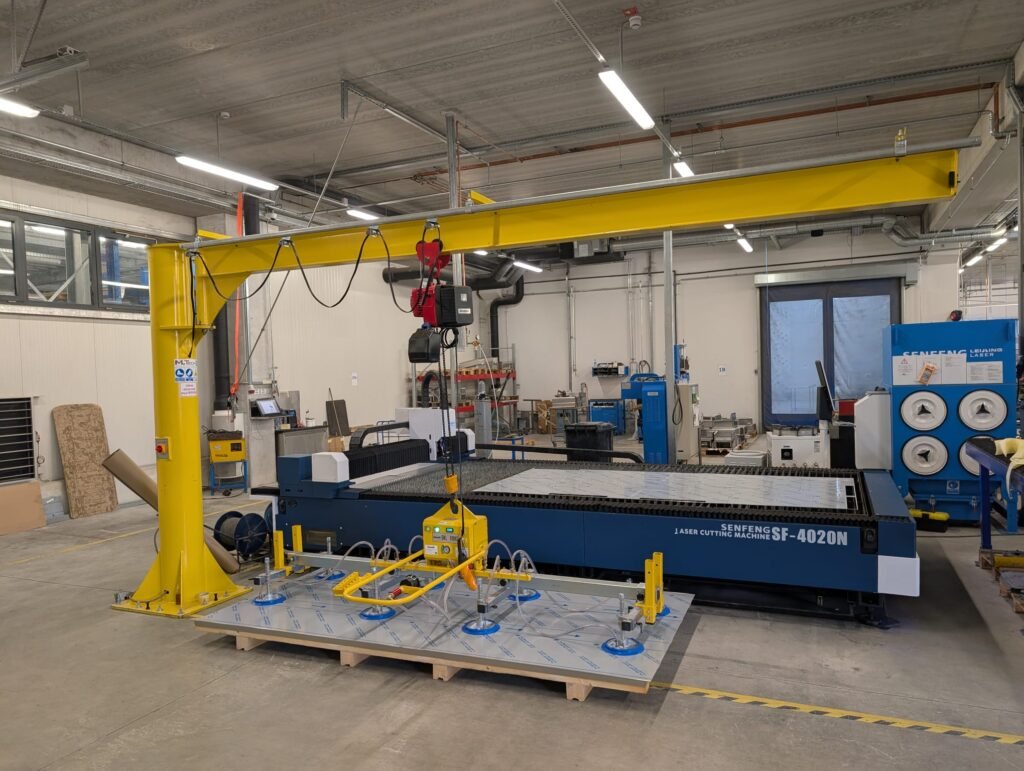
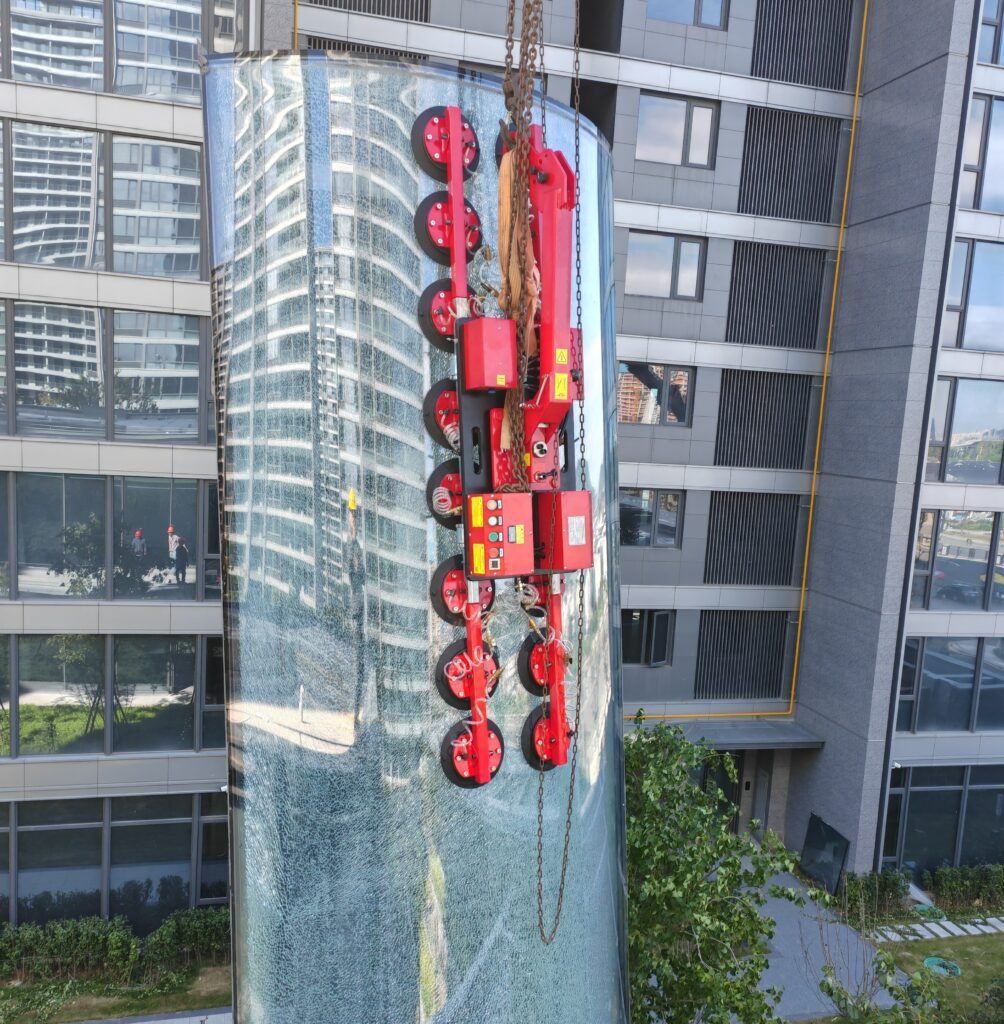
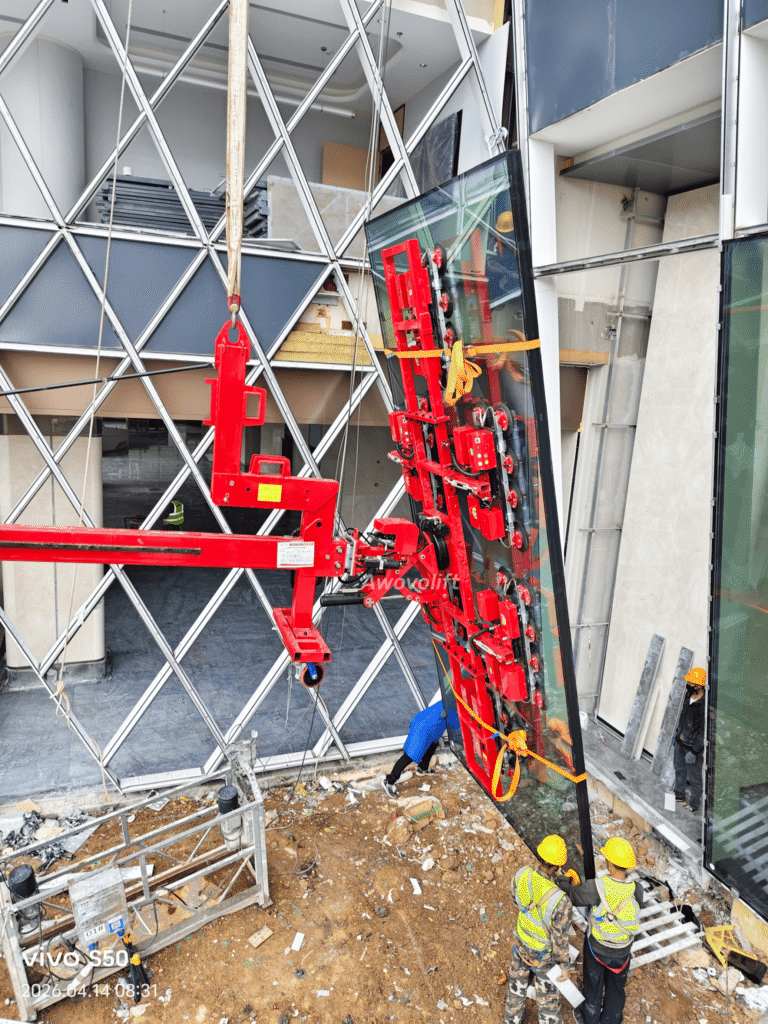
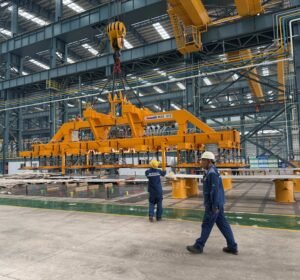
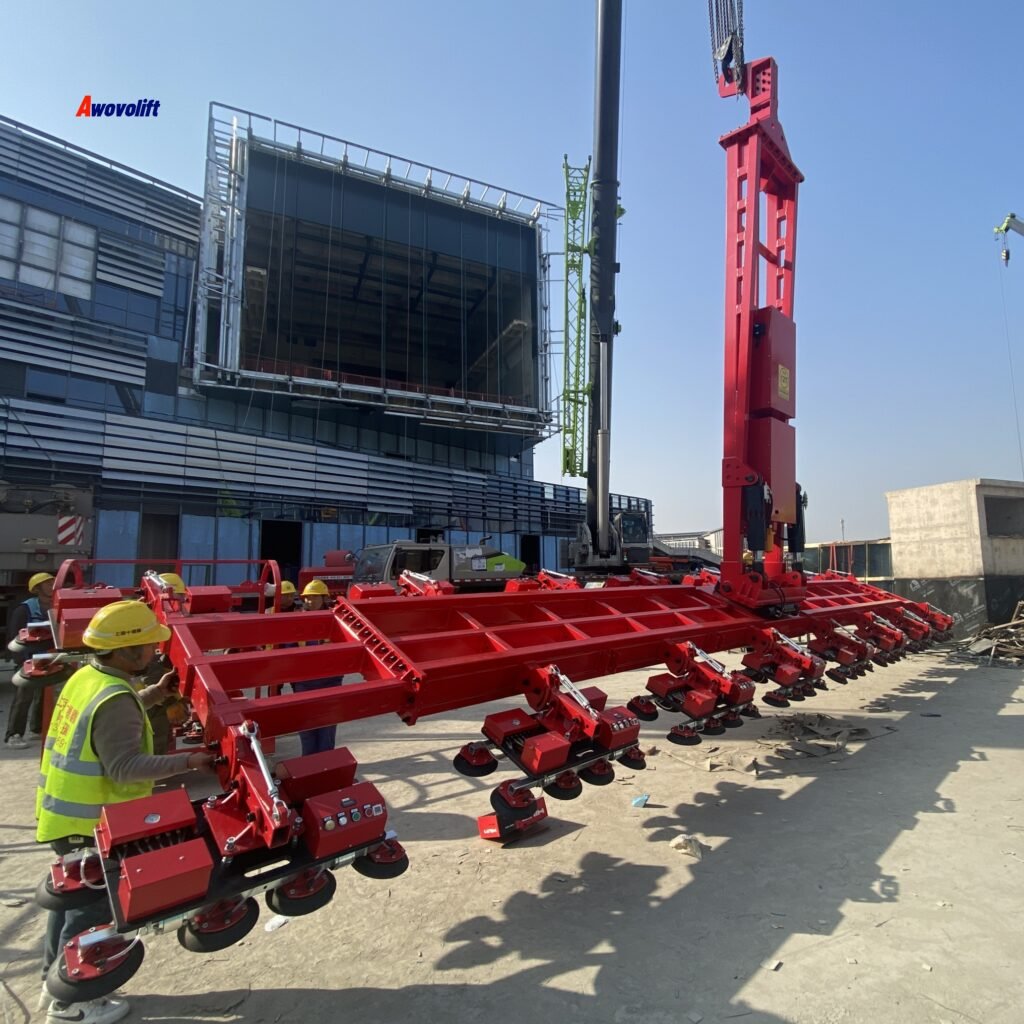
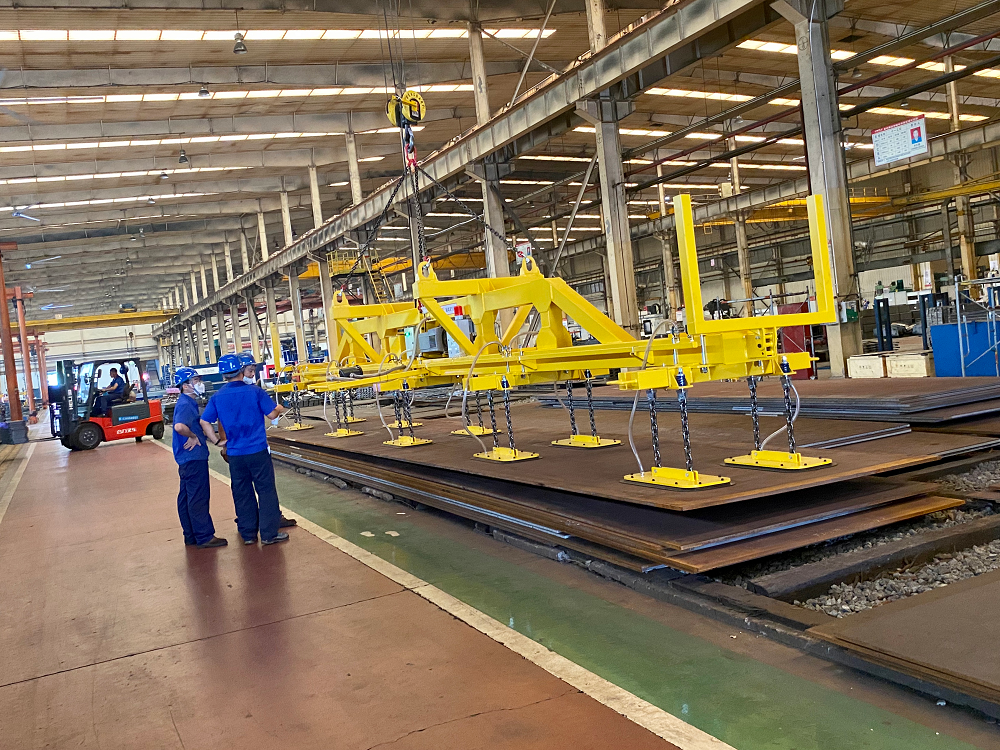
Designed to attach to a crane, hoist, or jib arm, these are heavy-duty systems that can handle large, heavy, or awkward loads such as steel plates, concrete slabs, and glass panes. They often feature multiple suction pads arranged in a frame, with powered vacuum pumps and backup safety reservoirs.
Portable Vacuum Lifters
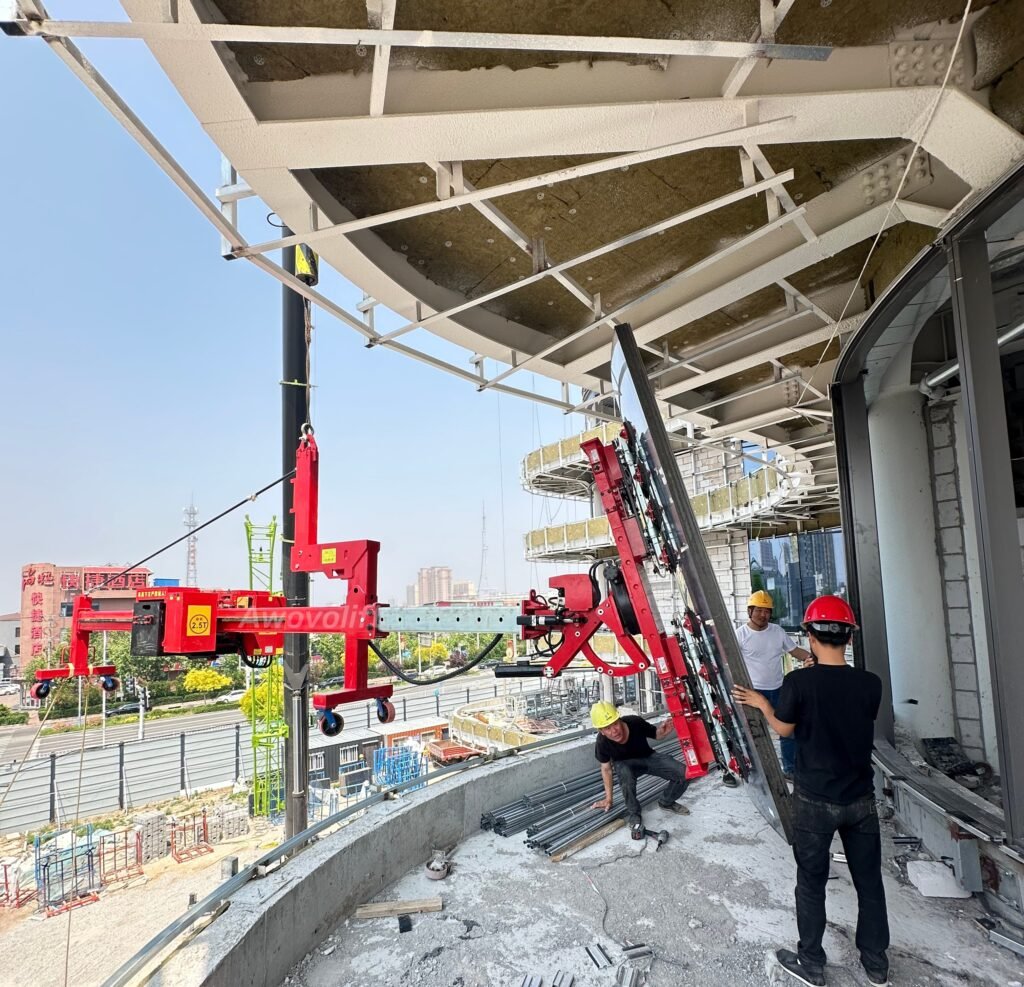
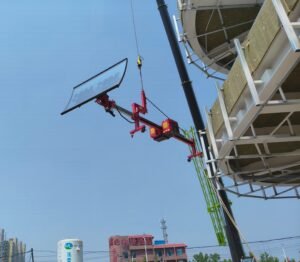
Compact, self-contained units with integrated pumps and batteries, portable lifters are ideal for construction sites, glazing work, and maintenance tasks where no crane is available. They are carried by one or two people and attached directly to the load surface.
Vacuum Tube Lifter Systems
Customized end-of-arm tooling for robots or automated machinery, these systems integrate vacuum generation and suction cups into a compact package for pick-and-place operations. While often part of a larger automation project, the same checklist principles apply.
Why a Buying Checklist Matters
Investing in a vacuum lifter without a structured evaluation process is like building a house without a blueprint. The checklist approach:
Eliminates guesswork by forcing you to define requirements upfront.
Reduces the risk of overspecifying (paying for features you don’t need) or underspecifying (buying a lifter that fails after a few months).
Creates a standard for comparing quotes from multiple suppliers.
Ensures compliance with internal safety standards and external regulations.
Speeds up the procurement cycle because all stakeholders can contribute their answers before the RFQ stage.
The following 50+ questions are organized into logical categories. Answer them honestly and thoroughly. Where you lack data, engage your production team or supplier early—many will perform a free application assessment.
Understanding your load is the foundation of every other decision. Answer these questions for every type of load you plan to handle.
What is the maximum weight of a single load? Always specify the heaviest possible load, not the average. Factor in potential future product weight increases.
What are the dimensions (length, width, height) of the largest and smallest loads? Oversized loads may require multiple pad configurations or custom frame dimensions.
What is the load shape—flat, curved, irregular, or textured? Curved or non-flat surfaces need specially shaped pads or flexible suspension.
What is the load material (e.g., steel, glass, wood, cardboard, plastic)? Material dictates pad compound (rubber, silicone, polyurethane) and the type of vacuum pump required.
Is the surface porous or non-porous? Porous materials like uncoated wood or corrugated cardboard require high-flow vacuum pumps to maintain grip despite air leakage.
Is the surface smooth, rough, embossed, or coated? Rough surfaces need softer, more conformable pads to create a tight seal.
What is the surface temperature of the load at the time of lifting? High temperatures may require heat-resistant materials; cold environments can cause pad stiffening and loss of suction.
Is the load clean or contaminated with dust, oil, or moisture? Contaminants reduce friction and may require special pad materials, filters, or cleaning provisions.
Is the load fragile or prone to scratching or marring? Sensitive surfaces like polished metal, painted parts, or glass need non-marking pad compounds and careful vacuum force adjustment.
What is the maximum dimension variation from load to load? If load sizes vary widely, you need quick pad repositioning or an adjustable frame.
Does the load have uneven weight distribution (e.g., an engine block)? Off-center loads require a lifter that can balance or compensate for the center of gravity, often with articulated pads.
Are you lifting only one load type, or will the lifter handle multiple products? Multi-purpose lifters often use modular pad arrays or interchangeable tooling.
What is the required cycle rate (lifts per hour/minute)? High-cycle operations demand fast pump down and release times, plus durable components.
—
2. Operational Environment
The conditions where the lifter will be used directly impact component selection, safety margins, and maintenance frequency.
Will the lifter be used indoors, outdoors, or both? Outdoor use demands weatherproofing, corrosion-resistant materials, and possibly battery enclosures.
What is the ambient temperature range (min to max) at the installation site? Extreme cold or heat affects vacuum pump performance, battery life, and seal integrity.
Is the environment wet, humid, or subject to washdowns? Washdown applications require stainless steel construction, sealed electronics, and IP-rated components.
Is the area classified as hazardous (explosive dust, flammable gases)? Atex, IECEx, or NEC compliance may be mandatory, necessitating special vacuum generators.
What is the airborne dust or particle level? Heavy dust requires filtered vacuum systems and potentially continuous-duty pumps.
Is the lifter exposed to chemicals, solvents, or UV radiation? Chemical resistance of seals, pads, and metal coatings must be verified.
What is the available floor space and ceiling height? Tube lifters need sufficient overhead clearance; below-the-hook units require crane bridge height. Confirm the lifter’s working envelope.
Is there a stable, level floor surface for mobile lifters? Portable units may need a smooth floor to move safely with a suspended load.
Is there adequate lighting for the operator to see load orientation and placement? While not a lifter specification, poor lighting may necessitate integrated lights or signal lights on the lifter.
—
3. Power Source & Energy Efficiency
Vacuum lifters can be powered electrically, pneumatically, or manually. The choice impacts operating cost and flexibility.
What power sources are available at the installation point? Options include single-phase or three-phase electric, compressed air (specify pressure and flow), or a battery.
Do you need the lifter to operate cordlessly? Battery-powered portable lifters offer freedom but require charging infrastructure and runtime planning.
What is the cost per kWh of electricity or per cubic meter of compressed air? Energy-efficient vacuum pumps or air-saving controls can drastically reduce lifecycle costs.
Is the vacuum generation required to run continuously or only during lifting? On-demand systems with automatic start/stop can save energy and reduce wear.
What is the noise level limit for your workspace? Pneumatic ejectors can be noisy; electric pumps or sound-dampening enclosures may be necessary.
Do you require a backup vacuum system in case of power failure? For critical lifts or safety, a vacuum reservoir tank or battery backup can hold the load until it can be safely lowered.
What is the startup time from off to full operation? Some vacuum pumps need a warm-up period; if you need instant availability, clarify this with the supplier.
—
4. Safety & Compliance
Safety is non-negotiable. This section ensures your vacuum lifter meets legal requirements and your internal risk standards.
What is the required safety factor (typically 2:1 or higher)? The lifter must hold at least double the maximum load weight under all conditions.
Does the lifter comply with relevant OSHA, ASME B30.20, or EN 13155 standards? Ask for certification documents and third-party test reports.
What safety features are provided for vacuum loss warnings? Visual and audible alarms, automatic brake systems, and check valves are critical.
If vacuum is lost, how long must the load remain suspended? The system should hold the load for a minimum specified time (e.g., 20 minutes) to allow safe lowering.
Are there redundant vacuum circuits? Multiple independent vacuum zones ensure that a single pad failure does not cascade.
What emergency stop features are included? A single motion of the control handle should release the load safely or freeze all movements.
Are load-tilting functions equipped with mechanical locks to prevent unintended rotation? If the lifter can rotate loads, it must have fail-safe locking or counterbalance.
Is the control system ergonomic and designed to prevent accidental activation? Two-hand controls, dead-man switches, or grip sensors are common.
Have failure mode and effects analysis (FMEA) or risk assessments been conducted by the manufacturer? Request documentation to confirm due diligence.
Is the lifter CE marked (if required in your region) and accompanied by a Declaration of Conformity? This is your proof of compliance with European directives.
Does your insurance provider have any specific requirements for lifting equipment? Involve them early to avoid coverage gaps.
—
5. Ease of Use & Ergonomics
A vacuum lifter that operators find cumbersome or fatiguing will never achieve its full productivity potential.
What is the total weight of the handheld portion the operator must control? Lighter handles and balanced tube lifters reduce strain.
Can the operator control lift/lower speed precisely? Infinite variable control or stepped settings improve placement accuracy.
Is the control handle adjustable for different operator heights? Ergonomic handle position reduces repetitive stress injuries.
Does the lifter require significant physical force to maneuver? Look for assistive features like zero-gravity balancing or air bearings for heavy loads.
What is the noise level at the operator’s ear during a normal cycle? Prolonged exposure to high noise can lead to hearing loss; verify it’s below occupational limits.
Are the controls intuitive, with clear visual indicators? A new operator should be able to understand the functions within minutes, with clear symbols, color-coded controls, and status lights.
—
6. Maintenance & Serviceability
Minimizing downtime is critical. A lifter that is easy to maintain will spend more time moving loads and less time in the repair shop.
What are the recommended maintenance intervals for the vacuum pump, filters, and suction pads? Regular servicing schedules and clear guidelines help you plan resources.
Are wear parts (pads, seals, filters) readily available and reasonably priced? Check lead times and whether you can stock critical spares.
Does the supplier provide a maintenance manual, spare parts list, and troubleshooting guide? These documents are essential for your own maintenance team.

-1024x768.jpg "2 铝板切割机上下料-单头无动力真空吸吊设备HP-WDL80-1S(80KG)")